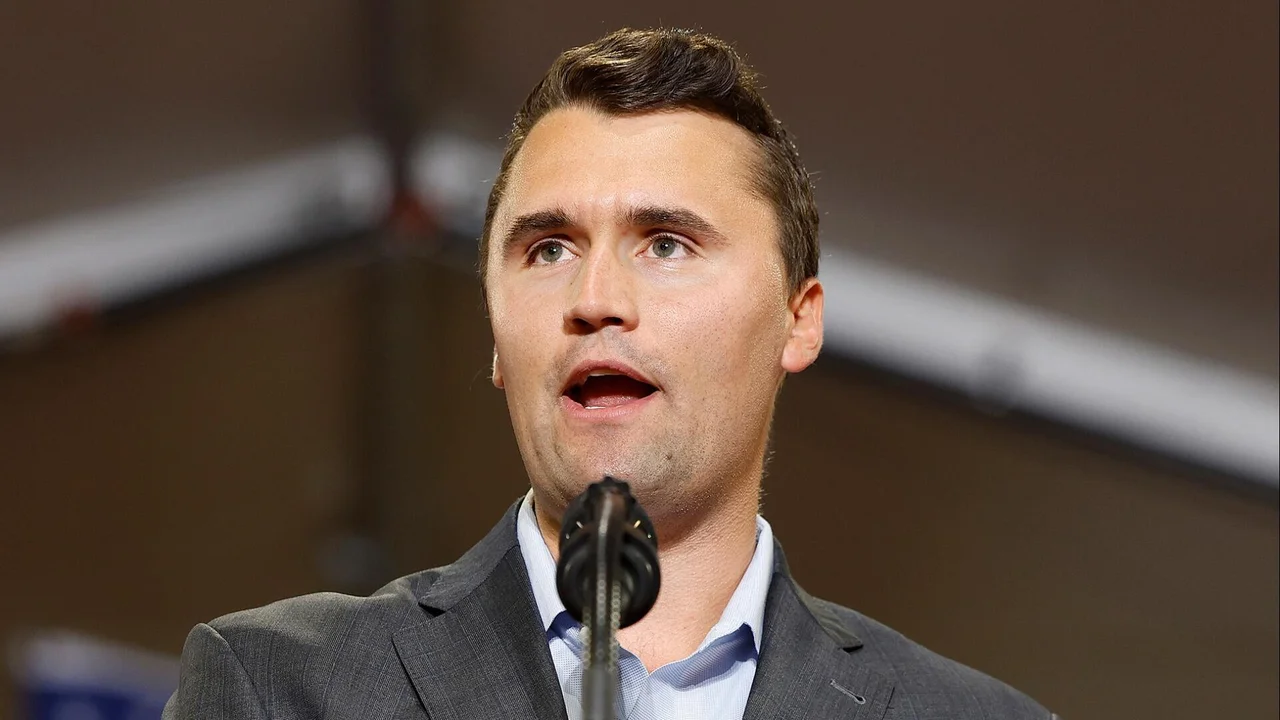
How Extremism Leads to Violence: The Charlie Kirk Case
I oppose vigilante violence. I said that when Trump was shot. I say it again now. Charlie Kirk was shot and killed at a campus event in Utah. The motive is not confirmed. I wish it were different. I also think we have to talk plainly about how extremism leads to violence, because it does. If we avoid that, we repeat the cycle.
The pattern is not new. Polarizing rhetoric primes fear. Fear justifies cruelty. Cruelty escalates into action. You can study it in social science or watch it happen online every day. And if you want a real world case study, look at the week we are in. We do not get from heated talk to a sniper’s bullet in a single step. We get there through a climate that rewards outrage, dehumanization, and us-versus-them thinking. That is how extremism leads to violence.
What we know about the UVU shooting
Here is what is public. Kirk was speaking outdoors at Utah Valley University on September 10, 2025. A single round struck him. He later died at a hospital. Law enforcement recovered a high powered rifle and opened a manhunt. Officials have described the killing as a political assassination. The shooter’s exact identity and motivation are not confirmed as of this writing. People from across the political spectrum condemned the attack. Those facts matter because speculation creates more heat and less light. Hold to what is known and keep pressure on the truth.
The chain from rhetoric to harm
To understand how extremism leads to violence, start with dehumanization. When leaders and influencers label opponents as animals, invaders, demons or existential threats, they shrink the circle of moral concern. Research shows that dehumanization lowers the psychological barriers to harm. It makes aggressive behavior feel justified or even virtuous. Call your rivals traitors long enough and someone will listen. Say that a group is a disease and someone will reach for a cure.
There is another link in the chain. Grievance. Extremist rhetoric feeds on grievance because it is sticky and easy to monetize. You take real frustrations and sharpen them into targeted blame. You tell people the game is rigged, that enemies are everywhere, and that traditional rules do not apply. You keep the stream running hot because outrage is an addictive product. The longer the audience stays angry, the more attention and money it generates. Over time, what starts as talk becomes a norm set. What used to be unthinkable turns into background noise.
Stochastic effects and “random” attacks
You do not need a direct order for violence. The concept many scholars use is stochastic terrorism. The idea is simple. If a large platform constantly paints a target as dangerous and illegitimate, you cannot predict which listener will act, but you can predict that someone probably will. The inciter keeps clean hands. The actor is a “lone wolf.” The rest of us live with the fallout. This is not about criminal law thresholds or the First Amendment. It is about social risk. Saturate a country with calls to treat enemies as less than human and you raise the average chance of violent outliers.
The market for outrage
Here is the part we prefer to skip because it feels crass. Outrage sells. Algorithms boost whatever keeps people scrolling and commenting. The attention economy rewards emotional spikes, not careful arguments. In this market, the loudest, harshest voices rise. They build lists, sell ads, raise money, book shows, and collect speaking fees. Charlie Kirk was very good at this game. He lined his pockets by being inflammatory, and he was hardly alone. Plenty of people on every side learned to cash the same checks. The problem is not one person. The problem is the business model.
Why the Kirk example matters even with an unknown motive
Some will say we should wait for the motive, and we should always report facts. But the climate question does not hinge on one shooter’s intention. The pattern exists whether this killing was revenge, notoriety seeking, or something else. A climate that praises toughness and humiliation, that reduces political enemies to vermin, that winks at “jokes” about violence, will produce more violence on a long enough timeline. You do not fix that by finding the perfect culprit. You fix it by changing incentives and norms.
What responsibility looks like
First, name dehumanization when you hear it, especially on your own side. You can advocate hard and still refuse to call people animals. Second, reduce the amplification of incitement. Platforms do not need to ban every bad take. They can throttle the repeat offenders who test the line with barely coded threats. Third, leaders must rebuild nonviolence norms. Say clearly, repeatedly, and without caveat that political violence is wrong. And live by it. Fourth, invest in counter speech. Facts alone do not cool a crowd. Human dignity, stories, and a vision of shared future do.
Security matters too. If you host public events, treat them like high risk environments. Vary routines, assess rooftops and sightlines, stage Q and A with distance and shielding, train staff on crisis protocols, and coordinate with local police in advance. These steps will not cure polarization, but they can blunt its worst outcomes while we do the slower work.
A note about grief and accountability
Two things can be true at once. You can condemn Kirk’s killing and grieve for his family. And you can say that his style of politics made the country meaner and less safe. I believe both are true. He was a husband and father. His children lost a parent. That deserves compassion. He was also a public figure who grew power by inflaming conflict and demeaning opponents. That deserves scrutiny. Both truths can exist in one paragraph.
The point is not to score posthumous points. The point is to change course. When a high profile figure dies by a bullet in front of thousands of people, it is a signal that our civic culture is broken. If we shrug and move on, we signal that more of this is fine. It is not.
So, how extremism leads to violence, again
It starts with speech that defines enemies as less than human. It keeps going with a profitable feedback loop that rewards anger. It spreads through networks that push extreme content to the most susceptible people. It ends, too often, with real bodies and real funerals. That is how extremism leads to violence. Not every angry segment leads to a trigger pull, and not every loudmouth is responsible for every crime. But if you care about the country, you would rather lower the odds than raise them.
What to do next
Talk to your people about red lines. Refuse to share dehumanizing posts, even when they feel good. Write to platform moderators about escalation patterns you see. Donate to groups that reduce polarization. And if you have a platform, large or small, use it to remind others that opponents are still neighbors. None of this will make timelines as viral as the latest dunk. It might keep someone alive.
Conclusion
We should tell the truth about the costs of incendiary politics. We should not sanitize the harm by hiding behind motives we do not yet have. In my view, Charlie Kirk helped create a worse world through extremely harmful rhetoric. He also did not deserve to die. Holding both ideas is part of being an adult in politics. We have agency here. Change the speech, change the incentives, change the temperature. That is the only path I see that reduces the risk of the next headline.