
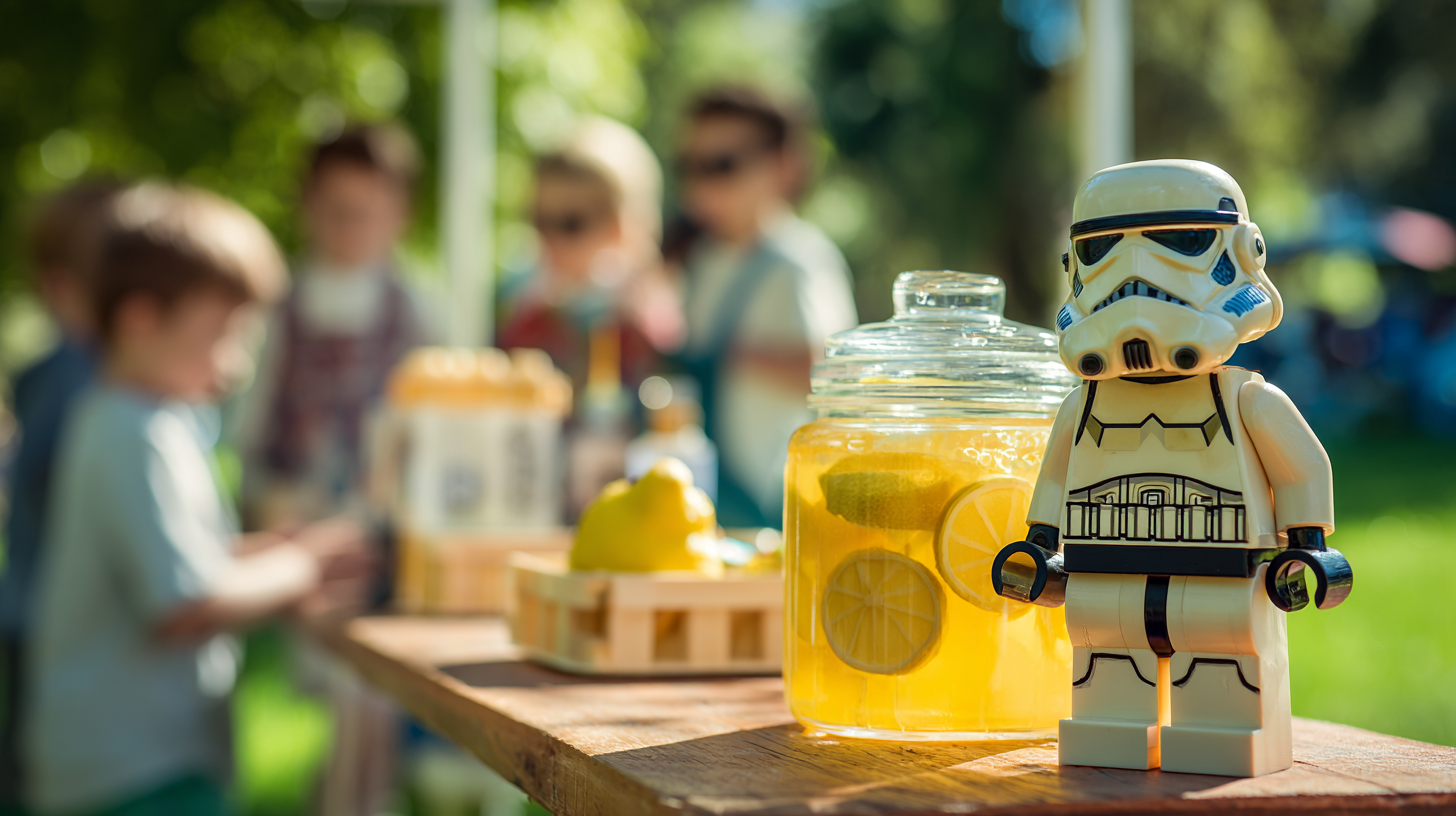
Star Wars Minifigs Fundraising Ideas Kids Can Run Themselves
Turning popcorn‑fueled movie buzz into real donation dollars sounds tricky until you hand the job to a squad of plastic troopers. This playbook packs practical star wars minifigs fundraising ideas that elementary‑age kids can set up, run, and tally before bedtime. Everything below keeps costs tiny, teaches basic money skills, and funnels the earnings straight to a cause the kids choose.
Why tiny troopers work so well
Collectors love them, casual fans recognize them, and every figure comes pre‑branded with bright armor that pops across a cafeteria. Kids can line up trooper minifigs on a folding table and instantly draw a curious crowd without glossy posters or paid ads. Because these ready‑made figures cost about the same as a soda, parents see value in buying one—or five—on the spot.
Quick starter kit
You only need a dozen pieces to pull off most events:
| Type | Count | Purpose |
|---|---|---|
| Standard white troopers | 5 | Main prizes, raffle jar fillers |
| Colour‑marked officers | 3 | Eye‑catchers for the display front |
| Helmet variants | 2 | Guess‑the‑count jar |
| Alien crew | 2 | Grand‑prize figures |
Cost at retail is roughly thirty to forty dollars. Kids can cover that upfront with pocket money or a small parent loan, then repay themselves from first‑day sales.
Set up a zero‑budget sales table
A folding table, a hand‑drawn sign, and a lockbox are enough. Tape prices directly on the edge so customers snap pictures and share them. Suggested price tiers keep maths simple:
- Common troopers: $2
- Colour variants: $3
- Anything unusual: $5
Kids handle every step—greeting buyers, making change, and marking a tally sheet. When the lunch bell rings, they already know the exact take.
Add a free‑build station
Keep a tub of spare bricks beside the sales bowls. For a $1 donation kids can build a micro vehicle that a trooper can “drive” home in. It feels like a bonus without touching your inventory costs.
Raffle jar and blind‑bag excitement
Stack four figures into opaque paper bags so the identities stay secret. A transparent cookie jar with the words “Win a Trooper – $1 a ticket” does the heavy lifting.
How to run it
- Sell tickets in blocks of 5 for $4 to boost volume.
- Draw winners at intermission of family movie night.
- Ask the school principal to announce results over the PA for added hype.
Kids learn probability, public speaking, and the responsibility of guarding the prize jar.
Guess‑how‑many helmet game
Fill a mason jar with 60 loose white helmets. Charge fifty cents per guess. Winner takes the jar home along with bragging rights.
- Post a mid‑event hint: “More than 40, fewer than 90.”
- Use a sticky note under the jar for the true count so no one loses the answer sheet.
- Offer a runner‑up sticker for the closest younger child to keep feelings intact.
Photo booth with galactic backdrop
Older siblings who own smartphones can run a $3 photo op:
- Paint a cardboard box to look like a starship bay.
- Clamp a daylight bulb overhead.
- Visitors choose any trooper to pose with.
- Email photos on the spot using a canned thank‑you template.
Add a small social hashtag sign to extend reach beyond the event, then challenge donors to post their shots.
Trivia trail through the hallway
Create five stations, each with a question taped above a trooper guarding an answer slot.
- One dollar buys a trivia sheet.
- Completed sheets go into a final drop box.
- At day’s end, draw a winner for a colour‑marked officer figure.
This idea spreads donor traffic and keeps footpaths clear.
Budget worksheet in real numbers
| Item | Qty | Cost | Total |
|---|---|---|---|
| Figures | 12 | $3.99 | $47.88 |
| Paper bags & raffle tickets | 1 bundle | $5 | $5 |
| Mason jar | 1 | $2 | $2 |
| Poster board & markers | 1 pack | $4 | $4 |
| Upfront spend | $58 |
A single after‑school table often exceeds $150 in revenue, so break‑even pain is low and math lessons are built in. For extra ideas on rewarding helpers without overspending, skim Creative Volunteer Rewards That Don’t Feel Like Swag which shows how small thank‑yous can still feel meaningful.
Teach the story behind the coins
Before the cash box opens, spend five minutes explaining exactly where money goes—whether it buys kitten formula, library beanbags, or new nets for the park court. Visualize progress with a poster: each $5 donation lets kids color in one segment of a starfighter outline until the ship is “fully funded.”
Handling money like a micro‑business
- Assign one adult to supervise the lockbox but let kids make the change.
- Use a zip pouch for coins and keep bills flat for easy counting.
- Log each sale in pencil on a tally sheet; enforce double‑counting at day’s end.
- Deposit or hand off funds immediately to avoid bedroom‑drawer mishaps.
Restock and re‑use
Trooper figures survive endless handling, but helmets fade in direct sun. Rotate any sun‑worn pieces into the free‑build tub and order replacements in time for the next event. I get mine from minifig.biz because their inventory refreshes fast and shipping doesn’t wreck the budget.
Final event checklist
- Table booked with venue
- Price signs printed or handwritten
- Spare batteries for any card reader
- Poster meter ready for colouring
- Parent contact list for photo consent emailed
- Cash counted and logged after each session
Tick these boxes and your young organizers will learn sales, budgeting, and generosity in one afternoon. Better yet, they walk away knowing that fun and fundraising can share the same table.