The Most Famous Churches in America: A Historical and Architectural Journey
America is home to a diverse array of churches, each with its own unique history, architectural style, and cultural significance. From the grandeur of Gothic cathedrals to the simplicity of colonial meeting houses, these churches reflect the rich tapestry of American religious and architectural heritage. Here, we explore some of the most famous churches in the United States, highlighting their historical importance, architectural features, and roles in the communities they serve.
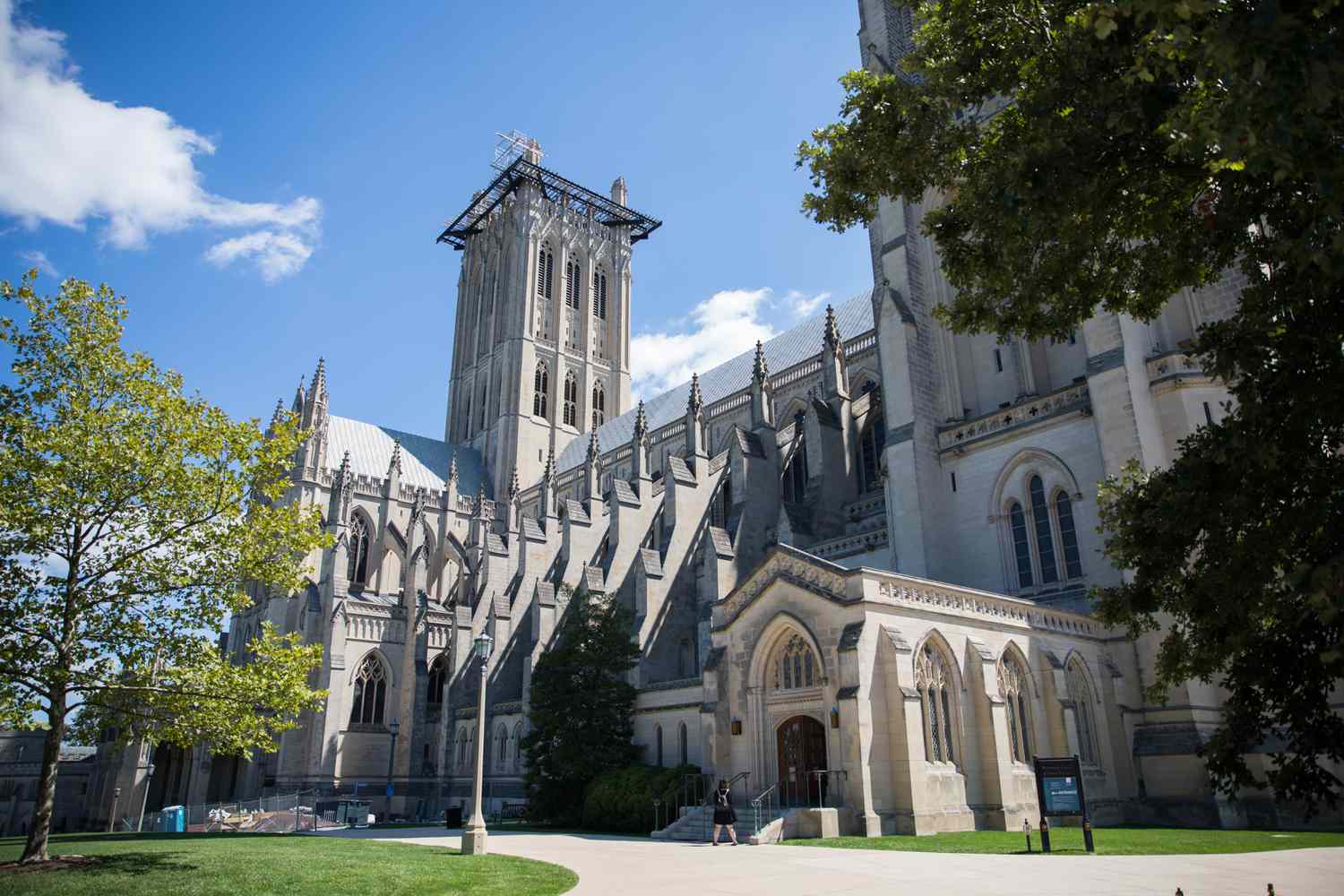
1. Washington National Cathedral (Cathedral Church of Saint Peter and Saint Paul)
Location: Washington, D.C.
The Washington National Cathedral is one of the most iconic religious buildings in the United States. Officially known as the Cathedral Church of Saint Peter and Saint Paul, it serves as the national house of prayer for all people. The cathedral’s construction began in 1907 and took 83 years to complete, with the final stone set in place in 1990.
Architectural Highlights:
- Gothic Revival Style: Inspired by the great cathedrals of Europe, the Washington National Cathedral features intricate stone carvings, flying buttresses, and stunning stained glass windows.
- Space Window: This unique stained glass window contains a piece of lunar rock brought back by the Apollo 11 mission.
- Central Tower: The Gloria in Excelsis Tower rises 676 feet above sea level, making it the highest point in Washington, D.C.
Historical Significance:
- The cathedral has hosted numerous national events, including state funerals for presidents Dwight D. Eisenhower, Ronald Reagan, and George H.W. Bush.
- It serves as a spiritual center for people of all faiths and a symbol of unity and peace.
2. St. Patrick’s Cathedral
Location: New York City, New York
St. Patrick’s Cathedral is one of the most famous Catholic churches in the United States. Located on Fifth Avenue in Manhattan, this Neo-Gothic cathedral is a landmark of New York City.
Architectural Highlights:
- Neo-Gothic Design: The cathedral features pointed arches, ribbed vaults, and flying buttresses, reminiscent of European Gothic cathedrals.
- Twin Spires: Rising 330 feet above the ground, the spires are a prominent feature of the New York City skyline.
- Interior Splendor: The interior is adorned with beautiful stained glass windows, a grand altar, and numerous chapels dedicated to various saints.
Historical Significance:
- Completed in 1878, St. Patrick’s Cathedral has been a central place of worship for New York’s Catholic community.
- It has hosted significant events, including the funeral of Robert F. Kennedy and annual St. Patrick’s Day celebrations.
3. Trinity Church
Location: Boston, Massachusetts
Trinity Church in Boston is an architectural masterpiece and a landmark of the Back Bay area. Designed by architect H.H. Richardson, the church is a prime example of Richardsonian Romanesque style.
Architectural Highlights:
- Richardsonian Romanesque Style: Characterized by heavy stone construction, rounded arches, and a massive central tower.
- Stained Glass Windows: The church’s windows, designed by artists such as John La Farge, add to its artistic splendor.
- Interior Decor: The interior features beautiful murals, mosaics, and intricate woodwork.
Historical Significance:
- Completed in 1877, Trinity Church has been a central part of Boston’s religious and cultural life.
- It was designated a National Historic Landmark in 1970.
4. Cathedral of Saint John the Divine
Location: New York City, New York
The Cathedral of Saint John the Divine is one of the largest cathedrals in the world and serves as the mother church of the Episcopal Diocese of New York.
Architectural Highlights:
- Gothic Revival and Romanesque Styles: The cathedral combines elements of both styles, with pointed arches, ribbed vaults, and a massive rose window.
- Great Rose Window: One of the largest stained glass windows in the world, featuring over 10,000 pieces of glass.
- The Peace Fountain: A modern addition to the cathedral’s grounds, symbolizing the triumph of good over evil.
Historical Significance:
- Construction began in 1892 and is still ongoing, making it a “work in progress.”
- The cathedral hosts numerous cultural and religious events, including concerts, art exhibitions, and interfaith services.
5. Old North Church (Christ Church in the City of Boston)
Location: Boston, Massachusetts
The Old North Church is the oldest standing church building in Boston and an iconic symbol of the American Revolution.
Architectural Highlights:
- Georgian Style: The church features a simple yet elegant design with a white clapboard exterior and a tall steeple.
- Steeple Lanterns: Famously known for the “One if by land, two if by sea” signal during Paul Revere’s midnight ride.
Historical Significance:
- Built in 1723, the Old North Church played a crucial role in the American Revolution.
- It is a National Historic Landmark and a major tourist attraction in Boston’s historic North End.
6. Basilica of the National Shrine of the Immaculate Conception
Location: Washington, D.C.
The Basilica of the National Shrine of the Immaculate Conception is the largest Roman Catholic church in North America and one of the ten largest churches in the world.
Architectural Highlights:
- Neo-Byzantine Style: Featuring a massive dome, mosaics, and extensive use of marble and gold.
- Great Dome: The blue and gold dome is a striking feature, visible from afar.
- Crypt Church: Located beneath the main church, it houses numerous chapels and altars.
Historical Significance:
- Dedicated in 1959, the basilica is a pilgrimage site for Catholics from around the world.
- It hosts major liturgical events and serves as a center for Marian devotion.
7. Christ Church
Location: Philadelphia, Pennsylvania
Christ Church, known as “The Nation’s Church,” is one of the most historic churches in America. It played a significant role in the American Revolution and the founding of the United States.
Architectural Highlights:
- Georgian Style: The church features a symmetrical design, brick exterior, and a prominent steeple.
- Interior Design: The interior includes a high pulpit, box pews, and a beautiful chancel.
Historical Significance:
- Built in 1744, Christ Church was attended by many Founding Fathers, including George Washington and Benjamin Franklin.
- It is a National Historic Landmark and a popular site for visitors interested in American history.
Conclusion
The famous churches of America are more than just places of worship; they are architectural gems, historical landmarks, and cultural icons. Each church tells a unique story of faith, community, and heritage, contributing to the rich religious and cultural landscape of the United States. Whether you are interested in history, architecture, or spirituality, these churches offer a glimpse into the diverse and dynamic fabric of American society.